Why Ephesus Is My Favorite Biblical Site
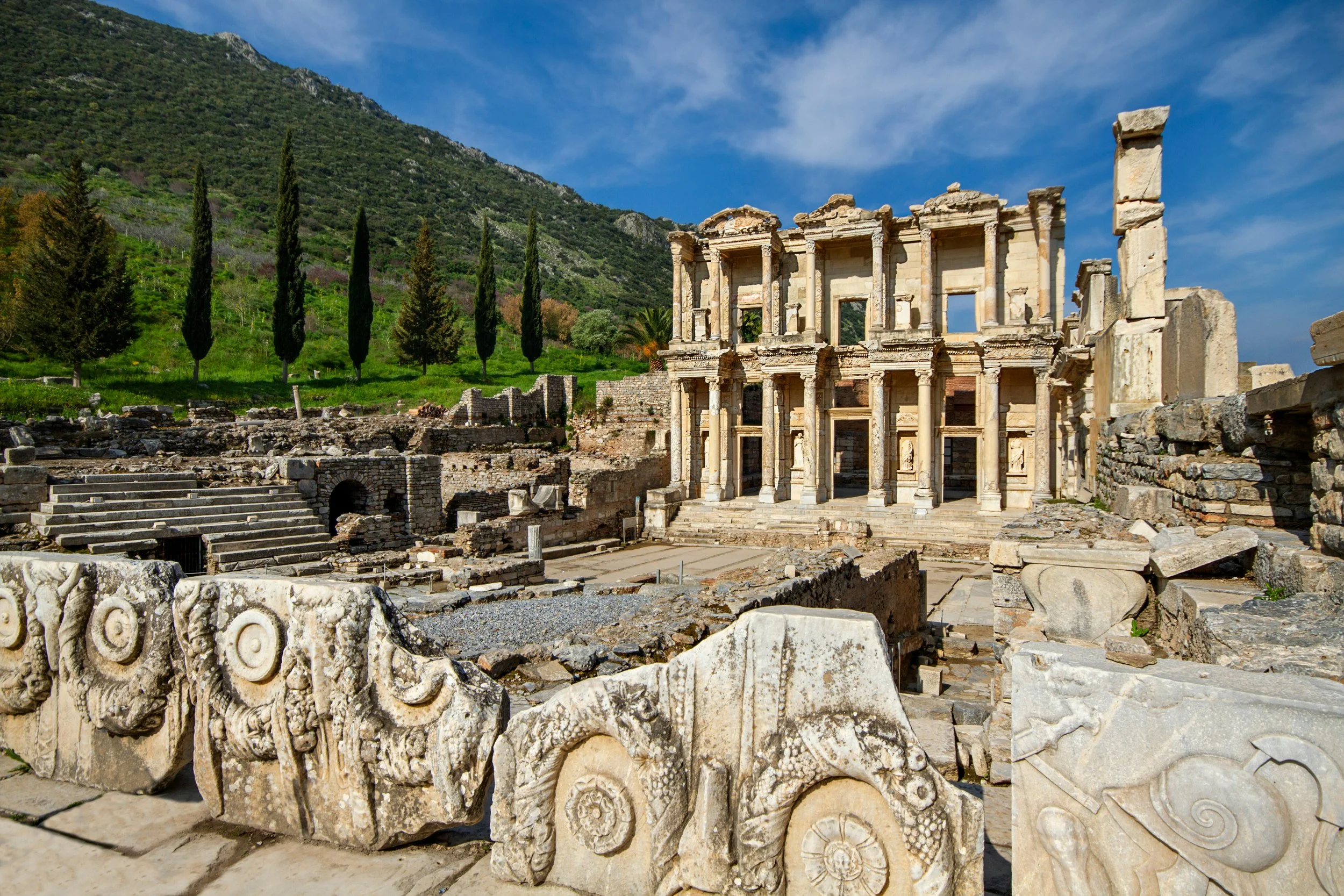
The first time I walked into Ephesus, I just stopped talking. My group stopped too. Nobody expected this.
I've been leading biblical tours for over two decades and this is a site that never gets old. In fact, I'd love to stay for months on a dig.
Every single time I walk through the city of ancient Ephesus, I notice something new. And every single time, I watch people begin reading the New Testament differently.
Because Ephesus does something few places can do. It puts you inside the world of the early church. It rewires the way you read Scripture.
Most Christians imagine the New Testament happening in small villages far removed from politics, culture, wealth, and power.
Then they walk into Ephesus.
And suddenly, they find themselves standing in a massive Roman city filled with marble streets, political buildings, marketplaces, bathhouses, temples, theaters, wealthy homes, and thousands upon thousands of people.
The scale changes everything. This is the world from which the New Testament emerged. This is the power that Jesus and his followers threatened.
If you have read Paul's letters your whole life and wondered what world he was writing into, Ephesus is where you find out.
“It puts you inside the world of the early church. It rewires the way you read Scripture.”
Paul's Life in Ephesus
According to Acts 18–20, Paul spent around three years in Ephesus. For Paul, that is an unusually long time. And when you walk through the city, you start to understand why.
Ephesus was one of the great cities of the Roman Empire. It sat along major trade routes and connected the eastern and western parts of the empire. Ideas moved through Ephesus. Money moved through Ephesus. Religion moved through Ephesus.
So Paul planted himself there.
Acts tells us he trained disciples daily in the Hall of Tyrannus, a rented lecture hall in the city. Imagine that, day after day, Paul was teaching followers of Jesus in the middle of one of the most influential cities in the ancient world.
Ephesus became a hub, sending leaders into churches all throughout the Roman Empire.
More Than Paul…
Paul wasn't the only giant of the early church who called Ephesus home.
Early church tradition tells us that the Apostle John eventually settled in Ephesus, bringing with him Mary, the mother of Jesus. John became a pillar of the church there, shepherding a community that was still living in the shadow of Roman power and the cult of Artemis.
And when Rome exiled John to the island of Patmos, visible from the Turkish coast on a clear day, he didn't write into a void. He wrote back to people he knew and loved. In fact, most of the seven churches of Revelation were within a day or two's journey from Ephesus.
When you stand in Ephesus, you are standing in the city directly connected to Paul, Timothy, John, Mary, Apollos, and Priscilla and Aquila. The New Testament suddenly feels far more "right here, right now" than "over there, back then."
Few places in the biblical world carry that kind of layered significance.
Bigger Than You Imagine
Most people have no idea how large Ephesus actually was.
At its height, the city likely held around 250,000 people, making it one of the largest cities in the Roman Empire. And unlike many archaeological sites, you do not stare at Ephesus from a distance behind ropes.
You walk directly through it. Over the marble roads, touching the stone walls and statues, standing in the middle of the marketplace where Paul likely made and sold tents, and moving through the gates and public squares.
You can't help but imagine Paul walking these same streets. Roman officials passing by in expensive robes. Merchants shouting prices in the marketplace. Early Christians sharing their faith in the square.
The scale catches you off guard. This doesn't feel like ruins. It feels like a city waiting to come back.
The Library That Wasn't Quiet
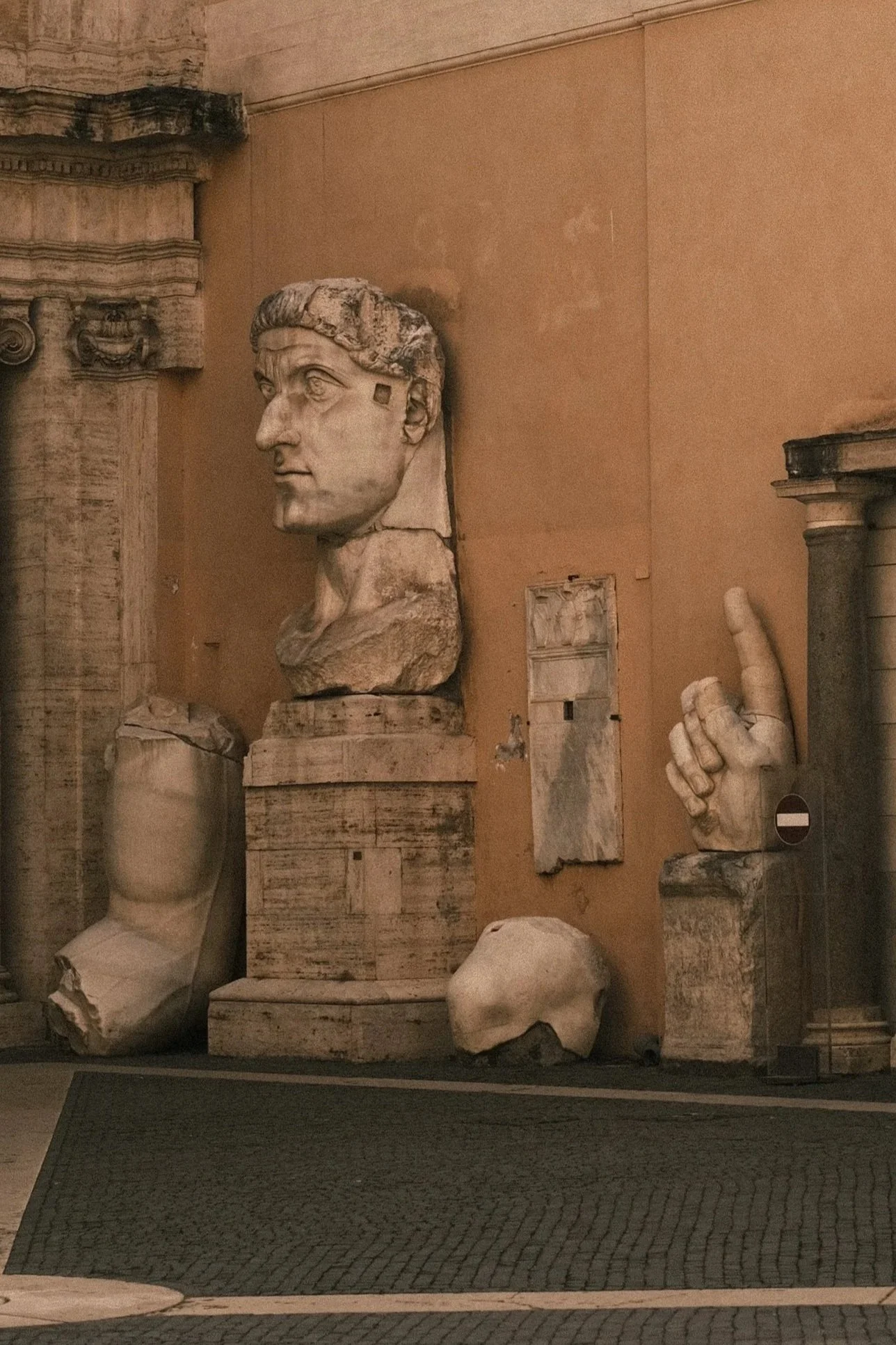
As you continue deeper into Ephesus, the Library of Celsus comes into view. This is one of the most recognizable structures in the ancient world. Even in ruins, it is breathtaking.
Its massive facade still towers above the street below, reminding you that Ephesus was sophisticated. This was a city known for philosophy, rhetoric, education, and influence.
The followers of Jesus did not retreat from that world. They stepped directly into it. They were from it. They found Jesus in it.
Christianity was growing in one of the intellectual and cultural centers of the Roman Empire.
These followers of Jesus were not outsiders looking in. They were Ephesians. People raised in the shadow of Artemis, shaped by Roman power, immersed in the values of the empire. Yet they became convinced that Jesus, not Caesar, was Lord, and that his kingdom was more real and more lasting than the empire surrounding them.
The Ancient World Had Heated Floors?
One of the most surprising parts of Ephesus is the Terrace Houses. These homes belonged to the wealthy elite of the city. And they are stunning: heated floors, indoor plumbing, detailed mosaics, large artwork, and expansive living spaces.
Most people do not expect luxury like this in the ancient world.
But walking through these homes suddenly gives context to so many New Testament passages about wealth, generosity, status, and favoritism.
The church in Ephesus brought together rich and poor, Jew and Gentile, slave and free. In a culture obsessed with status and division, they were trying to become one family in Jesus.
That is a tension that runs throughout the New Testament. Ephesus reveals the world those letters were written into.
The Theater Changes the Way You Read Acts 19
As you think you are leaving the city, you make a turn and arrive at the Theater. This might be the moment that changes people the most.
The theater at Ephesus could hold around 25,000 people. Twenty-five thousand people!
When you stand in the theater and read Acts 19, the story explodes in size. This was not a private disagreement tucked away in a synagogue. The gospel had become disruptive enough to threaten the economy and identity of this city!
Artemis was not merely a goddess people prayed to. She represented identity, protection, prosperity, fertility, and civic pride. Her worship shaped the culture of the city. And idols made in her image fueled the economy.
Crowds formed. Fear spread. And the city erupted into chaos.
Standing inside that theater, you realize how dangerous it was to follow Jesus. The gospel collided with money, identity, religion, politics, and power and challenged the loyalties Rome demanded.
This theater represents why Paul, in his letter to the Ephesians, focuses on spiritual powers and identity in Christ. These are not abstract theological ideas. They are happening in a city saturated with competing spiritual loyalties.
Nobody Leaves the Same
Why is Ephesus my favorite biblical site? Because more than any other place, it helps people see the New Testament as something that happened in the real world.
Somewhere between the marble streets, the Library of Celsus, the Terrace Houses, and the massive theater of Acts 19, the New Testament stops feeling distant.
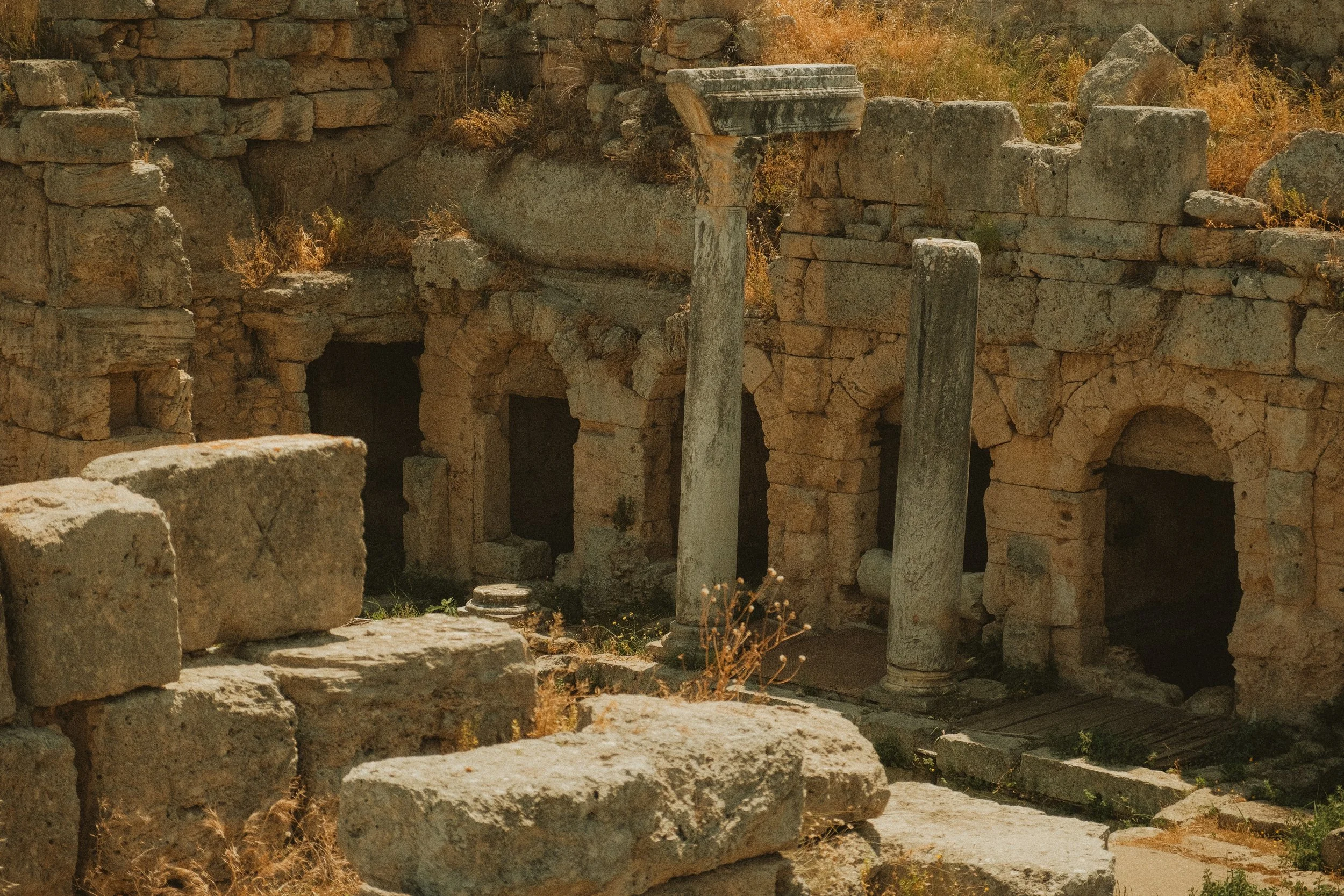
You don't merely read it anymore. You can see it.
I'd love to take you there.
“You don’t merely read it anymore. You can see it.”